
EXPERIMENT | RESEARCH
Practical skills for generating hero themes
When you’re designing at speed, the quality of your initial image generation defines how much rework comes later. This experiment set out to test two tools — Tool A and Tool B — against a consistent set of briefs focused on atmospheric hero imagery.
The core question was simple: given the same prompt structure and creative intent, which tool produces outputs that require fewer rounds of refinement before they’re usable in a layout?
Methodology
We ran forty prompts across both tools over three weeks. Each prompt described a scene involving a specific emotional register, a lighting condition, and a compositional constraint. The results were evaluated by three designers working independently — no group calibration was done until scores were in.
Scoring covered five dimensions: compositional fidelity, tonal accuracy, edge rendering quality, usability without cropping, and how well the output held up when placed inside a real layout.
Key findings
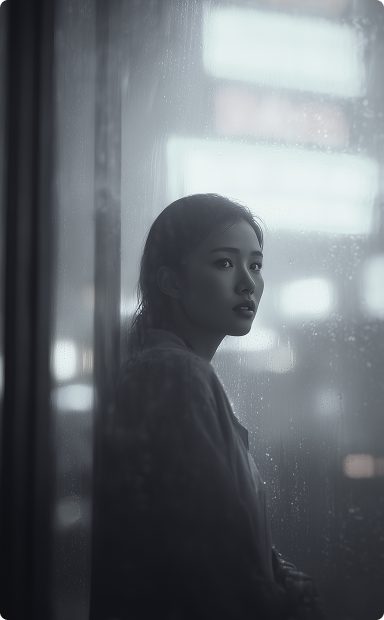
Tool A consistently outperformed on tonal accuracy and edge rendering, particularly in prompts that called for soft atmospheric lighting. The outputs required less masking and blended more naturally into dark-background layouts.
Tool B showed stronger compositional fidelity — when the prompt specified a particular framing (rule of thirds, centered subject, negative space on the right), the tool followed it more reliably. This made it more predictable in layout-driven workflows where the design grid is fixed before generation begins.
Neither tool handled motion blur or camera shake convincingly. This remains an open problem across all current generators.
What this means for workflow
If your process starts with layout and you need the image to fit a specific structure, Tool B is the faster path. If you’re mood-boarding or exploring tone first — and you’ll crop later — Tool A gives you more to work with.
Both tools benefit from prompt specificity. Vague prompts produced mediocre results across the board. The biggest performance gains came from prompts that named a specific cinematographer’s style, a time of day, and a deliberate colour palette.
The next experiment applies these findings to Seedance’s video generation pipeline — testing whether still-image prompt patterns translate directly or need structural changes when the output is moving.